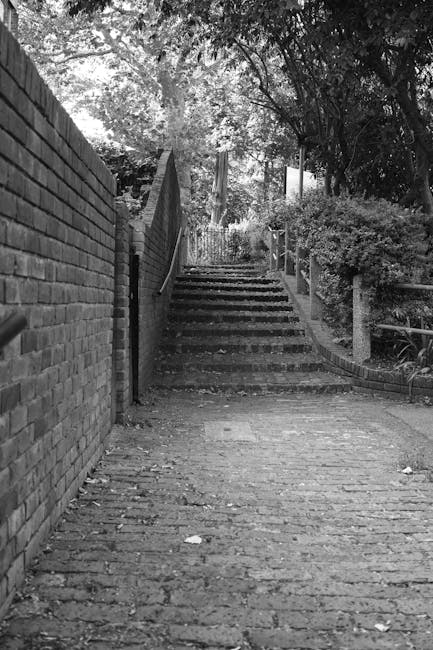
SW17 gardeners guide to small courtyard and terrace care
If you live in SW17 and your outdoor space is more courtyard than garden, you are not alone. Small terraces, compact paved yards, and tucked-away courtyard gardens can be brilliant little spaces, but they ask for a different kind of care. The trick is not to treat them like a big lawn or a border-heavy country garden. The trick is to work with the space you have.
This SW17 gardeners guide to small courtyard and terrace care is designed for anyone who wants a space that looks good, drains properly, feels calm to use, and does not become a weekend headache. Whether your terrace is a sun trap, a shady passage, or a windy patch that collects debris, the same basic ideas apply: smart planting, sensible maintenance, tidy hard surfaces, and regular small jobs that stop bigger problems later. Simple enough. Not always easy, but simple.
In practice, good courtyard care is part design thinking, part maintenance routine, and part seasonal common sense. You will find practical steps, a useful checklist, a comparison table, and a few real-world observations from the kind of spaces people actually live with in South West London. If you are also comparing professional support, it may help to look at the services overview and the company's about us page for a sense of the standards and approach behind the work.
Table of Contents
- Why SW17 gardeners guide to small courtyard and terrace care matters
- How SW17 gardeners guide to small courtyard and terrace care works
- Key benefits and practical advantages
- Who this is for and when it makes sense
- Step-by-step guidance
- Expert tips for better results
- Common mistakes to avoid
- Tools, resources and recommendations
- Law, compliance, standards, or best practice
- Options, methods, or comparison table
- Case study or real-world example
- Practical checklist
- Conclusion
- Frequently asked questions
Why SW17 gardeners guide to small courtyard and terrace care Matters
Small outdoor spaces in SW17 tend to work hard. They are storage, seating, planting, drying space, and often the first thing you see in the morning and the last thing you notice at night. That means a courtyard or terrace is rarely "just" decorative. It affects how the whole home feels.
In a compact setting, a little neglect shows quickly. Moss builds up on paving. Pots dry out faster than expected. Fallen leaves clog drains. Climbing plants start looking scruffy if they are not trained. One wet week and suddenly the place feels tired, slippery, and harder to use. That is why maintenance matters so much here. Small spaces amplify both good habits and bad ones.
There is also the simple fact that courtyard and terrace areas are exposed. Wind tunnels between buildings, reflected heat from walls, winter shade, and splashback from rain all create conditions that are different from open garden beds. A plant that looks fine in a larger garden might sulk in a terrace pot, and a paving surface that seems fine in summer can become treacherous by November. You have to read the space, not fight it.
For many SW17 homes, especially flats, maisonettes, and terraced properties, the outdoor area is a genuine value point. It is where people relax with a coffee, grow herbs, or make a plain paved corner feel like an extra room. A well-kept terrace does not need to be extravagant. It just needs to feel intentional. That's the whole game, really.
And if you are choosing outside help, trust matters too. A good gardener should be clear about access, safety, waste handling, and expectations. Pages such as health and safety policy, insurance and safety, and recycling and sustainability show the kind of practical standards that are worth checking before any work begins.
How SW17 gardeners guide to small courtyard and terrace care Works
At its core, courtyard and terrace care works by combining four things: surface upkeep, plant management, container care, and seasonal prevention. Leave one of those out and the rest soon become harder. Keep all four ticking over and the space stays manageable.
Think of it as a loop rather than a one-off tidy-up. You clean, inspect, prune, water, and reset. Then you repeat, with the timing changing through the year. In spring, the focus is on recovery and growth. In summer, it is watering and deadheading. In autumn, it becomes leaf fall and drainage. In winter, it is protection and structure.
On a smaller terrace, the work is often more precise than heavy. You do not usually need digging, soil renovation across large beds, or major redesign every season. What you need is attention to detail. Is the drainage working? Are the pots level? Are plants getting enough light? Has the grouting or jointing between slabs loosened? Is the screening still effective without making the space feel boxed in?
That precision is why many people prefer a recurring maintenance visit instead of waiting until everything needs fixing at once. A short session every few weeks can keep a tiny courtyard looking sharp. A neglected one can go from fine to frustrating very quickly. And yes, sometimes the quickest win is just getting the moss off the paving and the dead leaves out of the corners. No glamour, but very effective.
Key Benefits and Practical Advantages
There are obvious visual benefits to regular courtyard care, but the practical ones matter just as much. In small spaces, maintenance is often about comfort, safety, and usability.
- Better appearance: Clean surfaces, healthy pots, and tidy planting make the whole space feel larger.
- Safer underfoot: Regular cleaning reduces slippery algae, leaf litter, and hidden trip hazards.
- Improved plant health: Potting mix, watering, feeding, and pruning all work better when done consistently.
- Less stress: Small jobs done often are far easier than emergency repairs after a soggy autumn or hot spell.
- Better drainage: Keeping gullies, channels, and edges clear prevents standing water and damp patches.
- More usable space: A neat terrace becomes somewhere you actually want to sit, not just pass through.
There is also a design benefit people sometimes overlook. A compact space can look bigger when it is edited well. A few strong plant shapes, uncluttered paving, and one or two clear focal points usually beat a crowded, over-decorated approach. In other words, restraint is often the clever move. Slightly annoying, perhaps, but true.
For landlords, managing agents, and homeowners alike, tidy outside areas can also help with perceived care of the property. It signals that the home is looked after. You do not need a show garden. You need consistency.
Who This Is For and When It Makes Sense
This guide is useful if you own or manage a courtyard, terrace, balcony-style garden, or compact paved yard in SW17. It is especially relevant if your space has a few of the usual London quirks: limited light, neighbouring walls, awkward access, or containers rather than borders.
It makes sense for:
- homeowners who want a low-fuss outdoor area that still feels cared for
- tenants who need to keep a small terrace tidy without over-investing in permanent changes
- landlords wanting the property to present well between tenancies
- busy families who need a practical, child-friendly outdoor space
- people with mobility considerations who benefit from clean, level, easy-access surfaces
- anyone who has inherited a courtyard that is a bit "nearly lovely" but never quite there
It also helps if you are unsure whether to maintain the space yourself or bring in professional support. For some people, the answer is seasonal assistance rather than full-time upkeep. A gardener can handle the heavy or fiddly jobs while you do the lighter routine work. If you are exploring that route, a sensible next step is to review pricing and quotes and the practical details in payment and security.
Truth be told, a small space often benefits more from expertise than a large one. Every decision is visible. Every plant choice matters. Every maintenance lapse shows up fast.
Step-by-Step Guidance
Here is a practical approach to caring for a small courtyard or terrace. Keep it steady and you will notice the difference within a few visits.
1. Start with a full visual reset
Before you prune or plant anything, stand at the main doorway and look at the space as a whole. What do you notice first? Clutter, dull pots, stains, bare corners, overgrown stems, or standing water? That first impression usually tells you where the attention should go.
Remove dead foliage, broken canes, empty pots, and anything that does not earn its place. A small space gets crowded fast, so be a little ruthless. Not harsh. Just clear-headed.
2. Check drainage and surface condition
Courtyards and terraces often rely on good surface runoff. Inspect gullies, drain covers, and low points after rain. If water sits in puddles for too long, something needs addressing. That might be blocked debris, a slight fall issue, or simple surface contamination.
Look for loose slabs, slippery patches, weed growth in joints, and crumbling mortar or pointing where relevant. If a surface feels unstable, it should be treated carefully rather than scrubbed aggressively. Better to solve a small issue now than create a bigger one with the wrong tool.
3. Tidy and refresh containers
Pots are often the backbone of terrace planting, but they need more care than people expect. Check for cracked containers, compacted compost, root-bound plants, and pots that dry out unusually quickly. Lift and rotate containers occasionally so they do not get one-sided growth or sun scorch on the same edge all summer.
Use a well-draining potting mix, and make sure each container has suitable drainage holes. If the pot is decorative but sealed, it may not be suitable for long-term planting unless there is a proper internal liner system. That sort of detail matters.
4. Prune and train plants with the space in mind
In compact gardens, pruning is not just about tidiness. It is about proportion. A climber that is allowed to run wild can make a terrace feel cramped and heavy. A shrub with thoughtful trimming can keep the line of sight open and preserve light.
Train climbers neatly along wires, trellis, or frames. Remove dead or crossing stems. If a plant is becoming too big for its container, it may need repotting, root pruning, or replacement with a better-suited species. Sometimes the kindest thing is to admit a plant is in the wrong spot. We have all done it.
5. Water with discipline, not guesswork
Terrace gardens can dry out quickly, especially in warm weather and windy conditions. The best routine is usually deep, less frequent watering rather than light sprinkling every day. Check the soil with your finger before watering. If the top layer is dry but the lower layer still holds moisture, wait a bit longer.
Morning watering is often best in summer because it gives plants time to take up moisture before the heat builds. Late evening can work too, though damp foliage overnight can occasionally encourage problems. A proper watering can, hose with a controlled nozzle, or irrigation setup can all work; what matters is consistency.
6. Feed, mulch, and protect where needed
Container plants use up nutrients faster than plants in the ground. Feed according to the needs of the plant and the season, rather than loading everything with the same treatment. A citrus tree, a herb pot, and a flowering perennial do not want the exact same thing. Garden care rarely is one-size-fits-all, despite what some labels seem to promise.
Mulch can help retain moisture and suppress weeds, but use it carefully in pots and only where appropriate. In cold periods, move tender containers to a sheltered spot, raise them off cold paving if necessary, and protect roots from prolonged frost exposure.
7. Finish with a clean, calm reset
When the practical work is done, sweep the paving, wipe down furniture if needed, and put the space back together with intention. One or two carefully placed planters, a clean chair, and a clipped edge can change the feel of a courtyard at once. It sounds almost too obvious, but there it is.
Expert Tips for Better Results
Small spaces reward judgement. A few experienced habits can save a lot of disappointment.
- Choose fewer, better plants. A restrained plant list usually looks more elegant than a crowded mix.
- Use repetition. Repeating one or two planter styles or plant shapes makes the space feel calmer.
- Think vertically. Trellis, wall planters, and trained climbers create interest without using floor area.
- Check sightlines. Keep taller planting where it adds privacy, not where it blocks the whole room-like feel of the terrace.
- Group pots by water need. This makes watering simpler and reduces the chance of one plant being over- or under-watered.
- Rotate seasonal accents. A few well-chosen changes through the year keep the space from going flat.
One useful habit is to stand in the space at different times of day. Mid-morning light, late afternoon shade, and damp early-evening air can all make a courtyard feel different. You notice things then that you miss at noon. A pot in the wrong place suddenly shouts at you. Funny how that works.
If the terrace is used heavily, aim for durability over delicacy in the hard landscaping zone. Smooth surfaces are easier to sweep. Robust containers survive knocks better. Plants with strong structure often keep looking good longer than fussy, high-maintenance choices. That is not a glamorous answer, but it is the practical one.
Common Mistakes to Avoid
Most courtyard problems are not dramatic. They creep in through small oversights. Here are the ones that show up most often.
- Overplanting: Too many pots or dense planting can make the space feel smaller and harder to maintain.
- Ignoring drainage: If water pools, moss and slick surfaces tend to follow.
- Using the wrong plants: Shade-lovers in full sun, sun-lovers in a gloomy corner - it never ends well.
- Letting containers dry out completely: Once pots repeatedly dry to the base, plants can struggle to recover.
- Forgetting pruning: One missed season can make a small climber feel like a giant.
- Choosing style over access: A gorgeous setup that blocks the path is not very functional, is it?
- Leaving cleaning too long: A quick sweep every week is far easier than a full rescue job later.
There is also the issue of materials. Some decorative surfaces stain easily, some planters crack in frost, and some cheap fixtures simply do not last in exposed London conditions. Shortcuts can be expensive in a small space because failures are so visible.
If you are hiring help, make sure expectations are clear. A good provider should explain what is included, how access works, and what happens to green waste. The details in terms and conditions can be helpful here, especially where scope and responsibilities are concerned.
Tools, Resources and Recommendations
You do not need a shed full of specialist equipment to keep a courtyard in good order. A small kit, used well, usually does the job.
| Tool or item | Best use | Why it matters in a small terrace |
|---|---|---|
| Hand broom or stiff outdoor brush | Sweeping leaves, grit, and loose debris | Keeps paving clean without dragging dirt into the home |
| Secateurs | Pruning, deadheading, and light shaping | Essential for regular, precise plant control |
| Watering can or controlled nozzle hose | Targeted watering | Reduces waste and helps containers soak evenly |
| Weed knife or patio scraper | Clearing weeds from joints and edges | Stops small growth becoming a surface problem |
| Gloves and kneeling pad | Comfort and hand protection | Makes frequent light maintenance easier to keep up |
| Pot feet or risers | Improving airflow and drainage under containers | Helps protect paving and reduces trapped moisture |
For waste and spent plant material, think about responsible disposal and recycling where suitable. A good maintenance routine should leave the space looking better without creating unnecessary mess elsewhere. If sustainability matters to you, the page on recycling and sustainability is a useful complement to the practical side of the work.
A final point on resources: if you want to brief a gardener clearly, photos help. A few straightforward pictures taken on your phone in daylight can show problem areas far better than a long message. Oddly enough, "the bit near the back left drain" means different things to different people.
Law, Compliance, Standards, or Best Practice
For private courtyard and terrace care, there is usually no special legal framework for the gardening itself, but there are still sensible standards to follow. Safety, access, waste handling, and property care all matter. If work involves ladders, power tools, heavy lifting, or awkward access through a home or communal area, professional judgment becomes important.
Best practice in the UK setting usually includes:
- using equipment safely and appropriately
- checking access routes before bringing tools or waste through the property
- avoiding trip hazards from hoses, cords, loose pots, or debris
- being careful around wet surfaces and steep steps
- agreeing the scope of work before starting
- handling waste in a tidy and responsible way
If you are hiring a gardener or maintenance team, it is reasonable to look for clear safety information and insurance details. That is not being fussy; it is simply sensible. The pages on health and safety policy and insurance and safety are exactly the kind of trust signals a careful customer should check before booking.
Accessibility can matter too, particularly where a courtyard has narrow steps, tight doors, or uneven paving. A good layout should not create avoidable obstacles. And if you are the one managing the space, it is worth making it easy to use in everyday life, not just nice to look at.
Options, Methods, or Comparison Table
There is more than one way to care for a small courtyard or terrace. The right approach depends on your time, confidence, and how much the space is used.
| Method | Best for | Pros | Trade-offs |
|---|---|---|---|
| DIY routine care | Confident owners with a little time each week | Low ongoing cost, full control, flexible timing | Easy to let slip; some tasks can become awkward or physically demanding |
| Seasonal professional visits | Busy households and properties with moderate planting | Good balance of cost and expertise; keeps the space on track | Less hands-on than DIY; needs clear scheduling |
| Regular maintenance plan | High-use terraces, managed properties, or complex planting | Consistent quality, fewer emergencies, better long-term presentation | Higher overall spend than DIY |
| One-off reset and tidy-up | Overgrown or neglected spaces needing a fresh start | Fast visual improvement, useful before photos or guests | Needs follow-up to keep results |
For many SW17 homes, a mixed model works best: keep the easy weekly jobs in-house and bring in help for pruning, deep cleaning, or seasonal resets. That way you are not paying for full-time attention to a space that only needs short, sharp bursts of care.
Case Study or Real-World Example
Here is a realistic example. A small terrace in SW17 had a few tired pots, a patch of slippery paving near the back door, and a climber that had become more dominant than decorative. The owners liked the space in principle, but in practice they avoided using it much because it felt cluttered and a bit damp after rain.
The first step was not new planting. It was editing. Empty containers were removed, the paving was brushed and cleared, the drain area was checked, and the climber was pruned back and retrained. Two pots were kept, not seven. One was replaced with a tougher plant better suited to the light conditions, and the other was moved to a brighter position.
After that, the whole mood changed. The terrace felt more open. The chairs could be used properly again. Watering became less of a nuisance because there were fewer containers to manage, and the planting looked more deliberate. Not flashy. Just calm and tidy, which for a small courtyard is often the real win.
That sort of result is typical. In compact outdoor spaces, improvement usually comes from editing, consistency, and a few smart choices rather than a dramatic overhaul. Sometimes the best garden job is the one that makes the place feel easier to live with.
Practical Checklist
Use this checklist for a quick seasonal or monthly reset.
- Clear leaves, litter, and fallen petals from all corners
- Sweep paving, decking, or hard surfaces thoroughly
- Check for slippery algae, moss, or damp patches
- Inspect drains, gullies, and runoff points
- Remove dead growth and tidy plant edges
- Water containers based on actual soil moisture, not habit
- Feed pots and planters according to season and plant type
- Check for cracked pots, loose ties, and unstable planters
- Rotate or reposition containers where light is uneven
- Confirm access routes are clear and safe
- Set aside green waste for responsible disposal
- Step back and look at the space as a whole before finishing
Expert summary: small courtyard care is most effective when it is regular, selective, and realistic. If you keep the surfaces clean, the drainage clear, and the planting proportionate, the space will feel bigger, brighter, and easier to enjoy. That is the long game, and it really does pay off.
If you are thinking about professional help for a terrace refresh, routine maintenance, or a seasonal tidy, the most sensible next step is to explore the available support and make a clear plan. You can also review the practical details on services overview and then get in touch through the contact us page when you are ready.
Conclusion
A small courtyard or terrace in SW17 can be one of the best parts of a home, but only if it is cared for in a way that suits the space. The aim is not perfection. It is usability, calm, and a little bit of pride every time you step outside.
Keep the routine simple. Watch the drainage. Respect the light. Choose plants that fit the conditions, not just the mood of the moment. And do not wait until the space looks tired before giving it attention. Small, regular care is what keeps a compact garden feeling welcoming.
In our experience, the nicest terraces are not necessarily the most elaborate ones. They are the ones that feel looked after, lived in, and quietly well considered. That kind of space has a way of making a flat or townhouse feel larger than it is. A small win, maybe, but a very real one.
Get a free quote today and see how much you can save.
And if you want to know who is behind the service, how support works, or what standards are in place, it is worth taking a moment to read the company's about us and terms and conditions pages before you book. Peace of mind matters. No one wants a lovely terrace and a messy process.
Frequently Asked Questions
What is the best way to care for a small courtyard garden in SW17?
The best approach is a simple routine: sweep surfaces, check drainage, water containers properly, prune lightly, and remove dead or cluttering growth. Small spaces improve most from regular attention rather than occasional major work.
How often should a terrace be cleaned and maintained?
Light maintenance is usually best every week or two, with deeper seasonal work a few times a year. If the space is heavily used or exposed to trees and wind, it may need attention more often.
Which plants work best in a courtyard or terrace garden?
It depends on the light and exposure, but compact shrubs, herbs, climbing plants, and resilient perennials often suit small spaces well. The key is to match the plant to the conditions, especially shade and wind.
How do I stop a terrace from getting slippery?
Keep it clear of leaves, algae, and soil spill. Check drainage after rain, and clean surfaces regularly with methods that suit the material. Preventing build-up is easier than dealing with a slick surface later.
Can a small courtyard feel bigger with the right care?
Yes. Clear sightlines, fewer but better plants, tidy paving, and consistent styling can make a compact space feel much more open. Editing is often more effective than adding more items.
Do potted plants need more care than border plants?
Usually yes. Containers dry out faster, lose nutrients quicker, and are more exposed to temperature changes. They need more regular checking, feeding, and sometimes repositioning.
What should I look for if hiring a gardener for terrace care?
Look for clear communication, practical experience with small spaces, a sensible maintenance plan, and transparent information on safety and insurance. If you want extra reassurance, review the company's insurance and safety and health and safety policy pages.
Is professional help worth it for a tiny outdoor space?
Often yes, especially if the space has awkward access, difficult pruning, poor drainage, or you simply do not have time. A short professional visit can save a lot of effort if the terrace needs a proper reset.
What are the most common courtyard maintenance mistakes?
Overplanting, neglecting drainage, using the wrong plant for the light, and forgetting regular cleaning are the big ones. In a small space, even minor problems show quickly.
How do I manage terrace care through the seasons?
Spring is for cleaning and new growth, summer is for watering and deadheading, autumn is for leaf clearance and drainage checks, and winter is for protection and structure. Keeping a seasonal rhythm stops the space from falling behind.
What if my courtyard has very little light?
Then plant choice becomes even more important. Shade-tolerant plants, reflective surfaces, careful pruning, and simple layouts usually work better than trying to force a sun-loving planting scheme into a gloomy corner.
Where can I find more details about booking and support?
You can review the practical service information on services overview, check costs on pricing and quotes, and use contact us if you are ready to talk through your space.