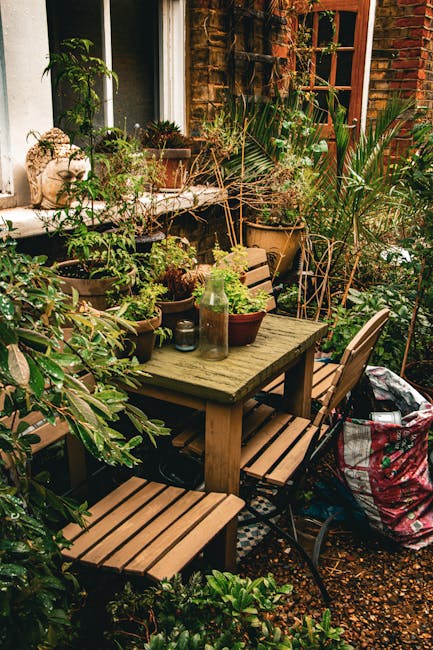
Tooting Broadway gardeners guide for patio and roof gardens
If you live in Tooting Broadway and you are trying to turn a patio, terrace, or roof space into something green and genuinely enjoyable, you already know the challenge: the area is small, the exposure can be tricky, and every plant has to earn its place. A well-planned Tooting Broadway gardeners guide for patio and roof gardens should help you make smart decisions, not just pretty ones. That means choosing the right planting, getting drainage right, thinking about weight and wind, and building a space that still feels calm on a busy London day. Truth be told, that balance is where the real magic happens.
This guide walks through the practical side of patio and roof gardens in Tooting Broadway. You will find clear advice on design, planting, maintenance, safety, and when it makes sense to bring in professional help. No fluff. Just the kind of guidance that saves time, money, and a few headaches later on.
Expert summary: Patio and roof gardens work best when beauty, structure, and safety are planned together from the start. Small spaces need careful plant choice, light-touch maintenance, and a realistic understanding of exposure, drainage, and access.
Table of Contents
- Why Tooting Broadway gardeners guide for patio and roof gardens Matters
- How Tooting Broadway gardeners guide for patio and roof gardens Works
- Key Benefits and Practical Advantages
- Who This Is For and When It Makes Sense
- Step-by-Step Guidance
- Expert Tips for Better Results
- Common Mistakes to Avoid
- Tools, Resources and Recommendations
- Law, Compliance, Standards, or Best Practice
- Options, Methods, or Comparison Table
- Case Study or Real-World Example
- Practical Checklist
- Conclusion
- Frequently Asked Questions
Why Tooting Broadway gardeners guide for patio and roof gardens Matters
Patio and roof gardens are not the same as ground-level beds, and that difference matters a lot more than people expect. In Tooting Broadway, many homes and flats have compact outdoor areas that catch strong sun at certain times, then lose it again, or sit in a wind corridor between buildings. A patio may overheat. A roof garden may dry out fast. A shared terrace may need extra care around access, noise, and weight.
That is why a localised guide is useful. It helps you look at the space as it is, rather than as you wish it were. A narrow paved patio with one shaded corner needs a very different plan from an open roof deck with full exposure and little shelter. If you get that part right, the rest becomes easier: watering is simpler, plants last longer, and the whole area feels more usable through the year.
There is also a lifestyle side to it. Outdoor space in South London is valuable. Even a modest patio can become a morning coffee spot, a place for herbs, or somewhere to unwind after work when the sky is still pale blue and the traffic is winding down. A good plan makes that possible without turning gardening into a second job.
For many households, the real issue is confidence. What will cope in containers? How much maintenance is realistic? Can a roof space take large planters? These are sensible questions, not overthinking. A careful gardener answers them before the first bag of compost is opened.
How Tooting Broadway gardeners guide for patio and roof gardens Works
At its core, patio and roof gardening is about working with constraints instead of fighting them. Space is limited, so every feature has to serve a purpose. Soil depth is often shallow, so root choice matters. Exposure can be uneven, so plant placement matters. Drainage can be poor or excessive, depending on the surface, so container design matters. A lot of "garden design" is really problem-solving with dirt and light.
In practice, the process usually starts with a survey of the space. That means noting sun hours, wind direction, access points, load-bearing concerns, and where water collects after rain. Then comes the design stage: deciding whether the garden should be edible, ornamental, low-maintenance, wildlife-friendly, or a blend of all four. After that, the planting scheme and hard landscaping details can be chosen around the real conditions.
For roof gardens especially, the physical build-up matters. You may need lightweight growing media, raised planters, root barriers, and good drainage layers. None of that is glamorous, I know, but it is the backbone of a healthy roof space. Ignore it and the nicest planting scheme in the world can struggle by midsummer.
Patio gardens are usually a little simpler, though not always easy. The big question is how to soften all that paving without making the space feel cluttered. Containers, climbing plants, compact shrubs, and vertical features can bring life into the area without blocking movement. Done well, even a small patio feels layered and generous.
Key Benefits and Practical Advantages
A thoughtful patio or roof garden offers more than visual appeal. It changes how the home feels day to day. Below are the most useful benefits, the ones people actually notice after the novelty wears off.
- Better use of limited space: A compact garden can become functional rather than decorative only.
- More privacy: Trellises, screening plants, and layered containers can soften overlooked spaces.
- Lower stress, more comfort: Green space, even a small amount, makes a noticeable difference when you step outside with a cup of tea.
- Flexible planting: Containers allow seasonal changes and easier redesigns.
- Improved kerb appeal or property presentation: A tidy patio or roof terrace gives a strong first impression, especially for renters and landlords.
- Edible gardening potential: Herbs, salad leaves, compact fruit varieties, and pollinator-friendly plants can all work well in containers.
- Reduced maintenance when designed properly: A good layout can actually save time, because you are not constantly rescuing plants from the wrong conditions.
There is a practical financial angle too. If your planting scheme survives the first summer, you avoid repeated replacement costs. That sounds obvious, but plenty of rooftop containers fail for predictable reasons: too much wind, not enough water retention, or the wrong potting mix. A bit of planning goes a long way.
Who This Is For and When It Makes Sense
This approach suits anyone with a small outdoor space in or around Tooting Broadway who wants it to feel intentional rather than improvised. That includes homeowners, flat owners, tenants with permission, landlords improving a property, and small businesses with roof terraces or courtyard patios. If your outdoor space gets used often, or you want it to do more than hold a chair and a planter, this is for you.
It also makes sense when the space is causing frustration. Maybe the patio gets waterlogged. Maybe the roof garden is too windy for most plants. Maybe the whole area looks tired by late July and you cannot quite see why. Those are classic signs that the site conditions are not matching the planting choices.
And yes, this matters even if your space is tiny. Small gardens are often the most rewarding because the improvement is immediate. One well-positioned bench, two robust planters, and a clever climber can completely change the feel of the place. Not everything needs to be grand.
This is also for people who do not want a high-maintenance hobby. A lot of urban gardeners simply want a space that looks cared for and can be kept that way without constant attention. Fair enough. The right structure makes that possible.
Step-by-Step Guidance
Here is a straightforward way to approach a patio or roof garden without getting lost in the details too early.
- Assess the space honestly. Note sun, shade, wind, access, drainage, and how you actually use the area. Morning sun and afternoon shade create very different planting conditions.
- Decide the purpose. Is this a place for entertaining, eating, growing herbs, reading, or all of the above? A garden with one clear purpose is easier to design well.
- Check weight and structure on roof spaces. Roof gardens need extra caution. Planters filled with wet compost are heavier than they look, and water adds up quickly.
- Choose a layout before plants. Work out where seating, storage, screens, and major containers should sit. That way you avoid a crowded, awkward finish.
- Select the right containers. Larger pots hold moisture more effectively, while lighter materials can help on roofs. Make sure every container has adequate drainage.
- Use a suitable compost or growing medium. Container planting needs good drainage and enough nutrition. Cheap, dense compost tends to compact and disappoint.
- Plant in layers. Combine structural plants, mid-height interest, and trailing or seasonal planting. That creates depth without needing a huge number of species.
- Install a reliable watering routine. In a hot spell, rooftop and patio plants dry out faster than ground-level beds. Water deeply, not just a splash here and there.
- Mulch where possible. Even in containers, top dressing can slow evaporation and keep roots cooler.
- Review after the first season. What thrived? What sulked? What became more work than it was worth? The first year teaches you a lot.
A practical example: a south-facing patio in Tooting Broadway may look ideal at first, but by midday it can become warm enough to stress smaller plants. In that setting, the smart move is often larger pots, drought-tolerant planting, and a bit of vertical shade from climbers or screens. Simple, but effective.
Expert Tips for Better Results
If you want a patio or roof garden to feel polished rather than patchy, a few small decisions make a disproportionate difference.
- Go larger with pots when you can. Bigger containers hold moisture better and are more forgiving in wind.
- Use repetition. Repeating one or two materials, colours, or plant shapes creates calm. Too many of everything can make a small space feel noisy.
- Think about sightlines. What do you see from inside the property? A good view from the kitchen window changes how the whole home feels.
- Plan for winter structure. A patio garden should not collapse visually once the summer flowers fade. Evergreens, grasses, or architectural containers help keep it alive.
- Prefer plants that forgive mistakes. Let's face it, most people miss a watering here and there. Pick plants that can cope.
- Use wind protection cleverly. On roofs, even partial screening can reduce stress dramatically. A full wall is not always necessary.
- Keep access clear. Pretty is good, but if you cannot move around comfortably, the garden stops being enjoyable.
- Test irrigation on a hot afternoon. If the plants wilt quickly, your watering plan needs adjusting. Simple as that.
There is also value in restraint. A small rooftop does not need twelve different grasses, four kinds of lavender, and a herb spiral that behaves like a science project. A cleaner design often ages better.
Common Mistakes to Avoid
Most problems in patio and roof gardens are not mysterious. They are usually the result of a few avoidable choices repeated over and over. Here are the main ones.
- Ignoring weight on roof spaces: Heavy planters, wet soil, and water storage all add load. This should never be guessed at.
- Choosing plants for looks alone: A plant that is perfect in a sheltered garden may fail quickly in wind or full sun.
- Using small pots everywhere: Tiny pots dry out fast and often look fussy rather than elegant.
- Poor drainage: Waterlogged roots can ruin even hardy planting.
- Overcrowding the layout: A small space needs breathing room. Otherwise it starts to feel like storage with flowers.
- Forgetting maintenance access: If you cannot reach the back of the planters, you will not enjoy caring for them.
- Mixing too many styles: Urban tropical, cottage, minimalist, Mediterranean... all in one terrace can look confused.
One mistake I see a lot is people buying plants on impulse after a sunny weekend. By Tuesday, the wind has arrived, the compost is drying out, and the new purchase is looking a bit sulky. Happens more often than anyone likes to admit.
Tools, Resources and Recommendations
You do not need a van full of equipment to manage a patio or roof garden well, but a few dependable tools make life easier.
- Watering can or hose with control: Better to water accurately than flood the area.
- Lightweight or midweight containers: Useful where access or roof loading is a concern.
- Good compost and slow-release feed: Container plants rely on you more than ground plants do.
- Secateurs and hand tools: Regular trimming keeps compact planting tidy.
- Moisture-retaining mulch: Helpful in hot, exposed spots.
- Wind-tolerant supports: Use sturdy stakes, trellis, or screening where necessary.
- Drainage materials: Pot feet, crocks, or purpose-made layers can help containers perform better.
If you are comparing professional help, it is sensible to look at the full range of services rather than only the headline promise. Some projects need design support, some need regular maintenance, and some need both. A useful starting point is the services overview, which can help you understand what kind of support fits your space.
Before booking anything, it also helps to review pricing and quotes so you know what information to provide and what level of detail to expect. And if you want to understand the team behind the work, the about us page is a sensible place to start.
Law, Compliance, Standards, or Best Practice
Patio and roof garden work is often straightforward, but there are still some important best-practice points. Roof spaces in particular can involve access, fall protection, load considerations, and shared-building responsibilities. If you are a leaseholder or managing a communal area, you may need permission before making changes. That is not the glamorous part, admittedly, but it matters.
From a professional perspective, good practice usually means working with appropriate care around safety, insurance, and site conditions. Where tools, ladders, height access, or heavier materials are involved, it is reasonable to expect proper precautions. If you are hiring help, it is sensible to review health and safety policy information and insurance and safety details before work begins.
For customers, transparency matters too. Clear terms, secure payment methods, and sensible communication reduce misunderstandings later. You can usually learn a lot about a business from how it handles admin. The pages on payment and security, terms and conditions, and privacy policy are useful for setting expectations.
If a project involves waste removal or replacing old materials, recycling and disposal should also be handled responsibly. A sensible company will be able to explain its approach to recycling and sustainability without fuss. That is the sort of detail that tends to matter more once the bags start piling up.
Options, Methods, or Comparison Table
There is no single right way to build a patio or roof garden. The best method depends on the space, the budget, and how much upkeep you want to take on. Here is a simple comparison.
| Approach | Best for | Strengths | Watch-outs |
|---|---|---|---|
| Container garden | Patios and small terraces | Flexible, easy to redesign, ideal for mixed planting | Needs regular watering and feeding |
| Raised beds | Spacious terraces or roof gardens with suitable structure | Better root depth, good for edibles and structure | Heavier, more expensive, needs careful planning |
| Mixed hard and soft landscaping | Long-term outdoor living spaces | Balanced look, seating and planting work together | Takes more planning up front |
| Lightweight roof garden system | Upper-floor terraces and flat roofs | Designed around load, drainage, and access | Requires specialist attention and more detailed setup |
In many cases, a hybrid approach works best. For example, a patio may use built-in benches, a few large pots, and a vertical climber to create structure without crowding. On a roof, a lighter planting scheme might be paired with weatherproof seating and screening to make the space feel finished, not temporary.
Case Study or Real-World Example
Consider a typical Tooting Broadway rooftop terrace: exposed, fairly compact, and used mainly in the evenings after work. The owner wants greenery but does not want constant maintenance. They also want the space to feel a bit softer because the paving and railings make it feel stark on grey days.
The solution is not to cram it with plants. Instead, the garden is divided into three zones. First, a seating corner with a couple of larger containers for structural planting. Second, a screen using climbers or upright evergreens to take the edge off the wind and add privacy. Third, a small herb and seasonal plant area close to the door for easy access. The containers are chosen for lighter weight, the compost is moisture-retentive but free-draining, and watering is made easier by grouping thirsty plants together.
After a couple of months, the roof space feels less like a leftover surface and more like a proper room outdoors. It is still a roof terrace, of course, not a country garden. But it works. And that is the point.
That sort of project also highlights a quiet truth: the best garden is the one you actually use. Not the one that looks lovely for one weekend and becomes too much effort by August.
Practical Checklist
Use this checklist before starting or refreshing a patio or roof garden.
- Have I assessed sun, shade, wind, and drainage properly?
- Do I know whether the space has any load or access limitations?
- Have I decided what I want the garden to do: relax, entertain, grow food, screen, or all four?
- Are the containers the right size and material for the site?
- Have I chosen plants that suit exposure and maintenance levels?
- Is there enough room to move comfortably?
- Do I have a watering plan for hot spells?
- Have I considered winter structure as well as summer colour?
- Do I know who is responsible for permissions, access, or shared upkeep if needed?
- Have I checked the practical support available if I want professional help?
If you can tick most of those boxes, you are already ahead of the average start point. No drama, no guesswork.
Conclusion
A patio or roof garden in Tooting Broadway can be surprisingly rewarding when it is planned with honesty and care. The best results come from understanding the space first, then choosing plants, containers, and features that fit the reality of the site. That usually means thinking about wind, water, weight, and maintenance before anything else. Once those foundations are right, the creative part becomes much more enjoyable.
If you want a garden that looks good in spring, survives the summer, and still feels useful in October, keep the design simple, practical, and well matched to the location. A good small-space garden does not shout. It just works, quietly and beautifully, every day.
Get a free quote today and see how much you can save.
And if you are still deciding how far to take the project, it may help to speak with a team that understands the local conditions, the safety concerns, and the realities of compact London outdoor spaces. A little expert input can save a lot of second-guessing later.
Frequently Asked Questions
What makes patio and roof gardens different from normal gardens?
Patio and roof gardens usually rely on containers, raised features, and carefully chosen planting because they do not have the depth and moisture profile of open ground. Roof gardens also need extra attention to load, wind, and drainage. That changes everything from plant choice to maintenance.
Do roof gardens need special planning?
Yes, usually. Roof spaces often require careful checks on access, weight, and drainage before any major work begins. Even if the design looks simple, the structure behind it needs to be thought through properly.
What plants work best in Tooting Broadway patio gardens?
That depends on the sun and shelter levels, but many people do well with compact shrubs, grasses, herbs, evergreen structure, and seasonal container planting. The key is matching plants to the site rather than buying whatever looks good that week.
How do I stop containers drying out so quickly?
Use larger pots where possible, choose moisture-retentive compost, mulch the surface, and group plants with similar watering needs. In warm weather, a sensible watering routine matters more than fancy products.
Can I grow vegetables on a patio or roof garden?
Yes, absolutely. Herbs, salad leaves, tomatoes, strawberries, and some dwarf fruit varieties can work well. Just remember that edible plants in containers need regular feeding and consistent water.
How do I make a small outdoor space feel bigger?
Use a restrained colour palette, repeat materials, keep pathways clear, and avoid overcrowding. Vertical planting and mirrors can help too, but only if they are used lightly. Too much visual noise makes a small space feel smaller.
What are the most common maintenance issues?
Underwatering, wind damage, nutrient depletion, and poor drainage are the big ones. In a roof or patio setting, plants have less forgiveness than in the ground, so small problems can turn into bigger ones quickly if ignored.
Is professional help worth it for a small patio garden?
Often, yes. Even a small space can benefit from better layout, plant selection, and container planning. If the space has awkward access or roof-related concerns, professional input can prevent costly mistakes. Sometimes a one-hour chat changes the whole project.
What should I check before hiring someone for roof garden work?
Look for clear communication, appropriate safety practices, insurance, and transparent pricing. It also helps to review the company's health and safety information and insurance and safety details before you agree to anything.
How much upkeep does a patio or roof garden need?
That depends on the planting style. A low-maintenance design with evergreen structure and robust containers may only need light weekly attention in peak season. A more ambitious planting scheme, especially on an exposed roof, will need more regular watering, feeding, and checking.
Can a roof garden be wildlife-friendly?
Yes. Pollinator-friendly flowers, herbs, and a mix of flowering times can support bees and other insects. Even a few well-chosen plants make a difference, especially in urban areas where green space is limited.
Where can I find more information about the company's services?
The best place to start is the services overview, which gives a useful sense of what support is available. If you are comparing options or want to ask something specific, the contact page is the simplest next step.